
In April of last year, after enduring some of the hardest months of my life and a crushing personal loss, I reassessed everything. I knew I had to make major changes—including leaving my job. For years, I worked at a human-rights-focused organization. And, as with most human rights work, the weight of never doing enough became unbearable. No matter how many hours I poured in, the needs only grew. So, I gave my notice, stayed long enough to help find and train a talented replacement, and stepped away into the unknown.
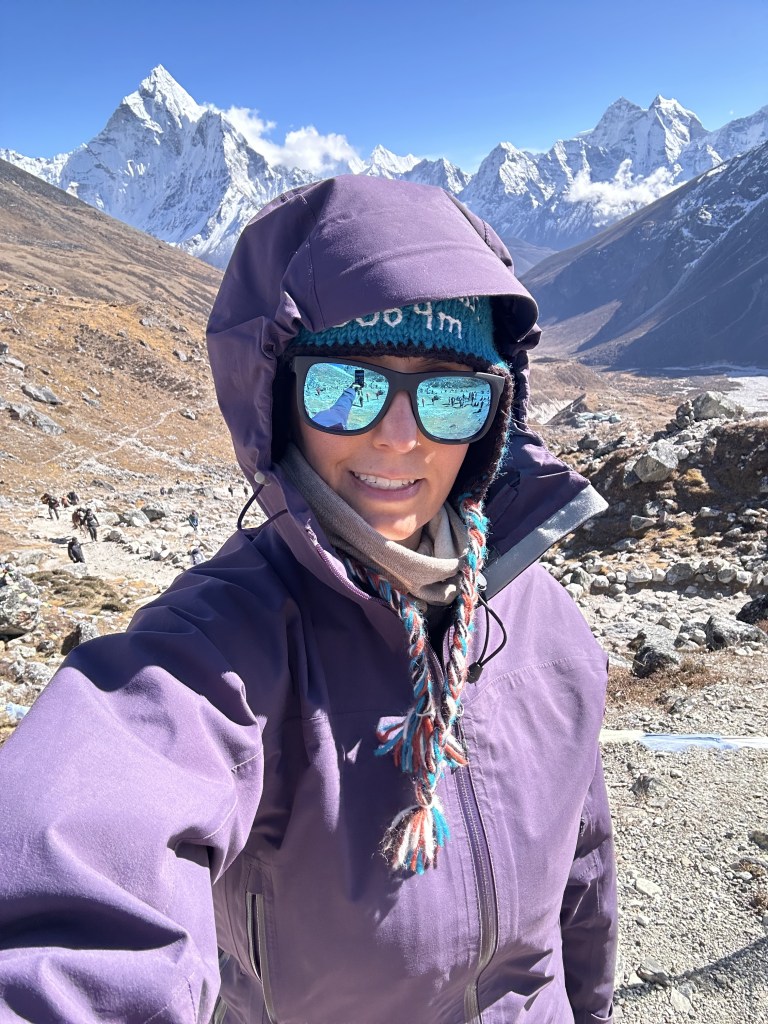
What followed were months of some highs and many lows. One high: a trip to Nepal, culminating in a grueling hike to Everest Base Camp—5,364 meters above sea level, where even the strongest struggle with altitude sickness. One low: the crushing depression of job-hunting in the dead of winter, sending out dozens of applications a week and receiving nothing, often not even the dignity of a rejection.
What kept me going wasn’t the promise of a paycheck. It was a memory, seared into my mind, from Nepal.
After the hardest day of hiking—seven hours of ascent—I felt invincible. I had conquered the altitude, the exhaustion, the elements. I trudged toward the humble teahouse where we’d rest, feeling like Hercules. Then, just as I reached it, I saw a construction site. In small Nepalese villages, construction sites reek of bonded labor—thin, weathered men in ragged clothing breaking rocks with other rocks, while one well-fed man watches over them closely.
And then, she stepped in front of me.
She was maybe 4’8”, carrying a massive sack of jagged stones on her tiny back, the only woman among them. It was freezing. It was wet. She wore sandals. Her hair and clothes were thick with dust. I had struggled to carry just myself up that hill, and yet here she was—silently, steadily, carrying the weight of a world.
At that moment, I realized: I had achieved nothing.
I wanted to take a picture, to capture her strength. But I didn’t. I knew too well how tourists turn people like her into social media props. So, instead, I memorized her. The long black hair. The quiet, determined steps. The dust-covered heels.
I think of her often, especially now, just days before I start a new job. No matter how hard she works, how much she gives, the world will never give her what she deserves. Yet she gave so much to me.
She gave me perspective. She gave me strength. She is, without question, the strongest woman I have ever seen in my life. I wish I could thank her. Wish I could make her life better, easier. When I can, I will give back to the people of Nepal. Enough to at least match what they have given me.
Nepalese people, especially the Sherpa, but also the Tamang, Rai, and Gurung ethnic groups—many of whom come from mountainous and hilly regions—are incredibly strong. Their strength isn’t just endurance; it’s survival. It’s resilience. It’s generosity beyond measure.
I cling to their example, filled with gratitude each time I remember them. At a time when so many—friends, colleagues, neighbors—are losing their jobs under the whims of billionaires who treat workers as disposable, and millions across the world fight to survive, I am unfairly, undeservingly lucky. And in my darkest moments, when I forget that, I hope I remember: lucky is all I have ever been.
——
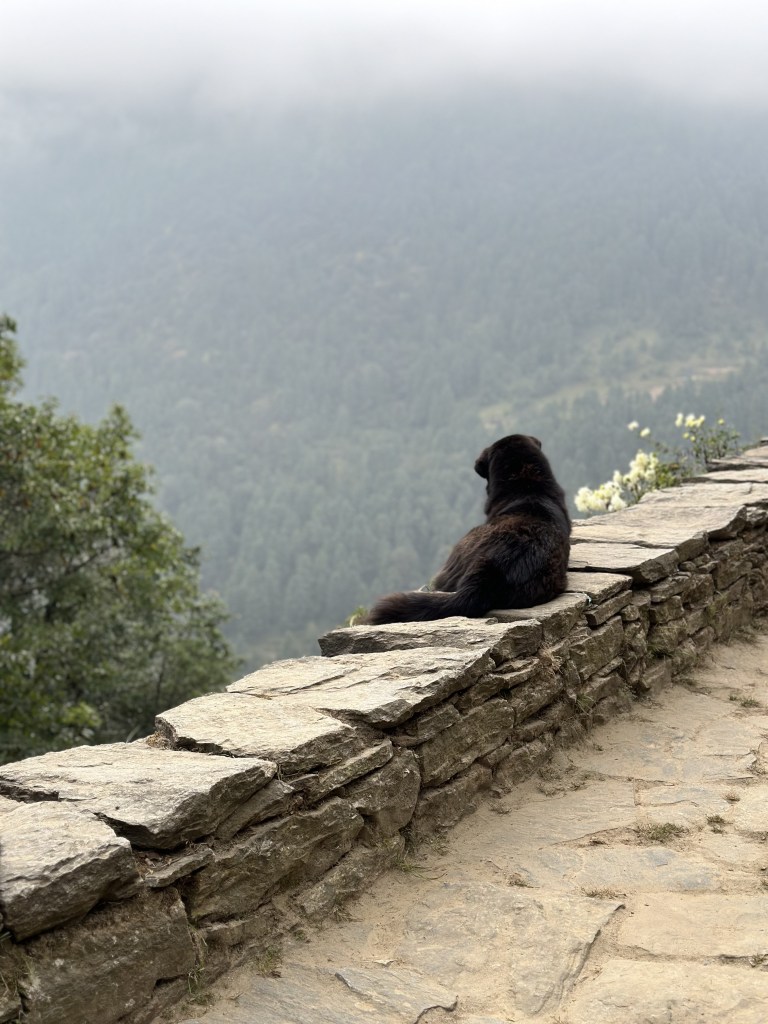
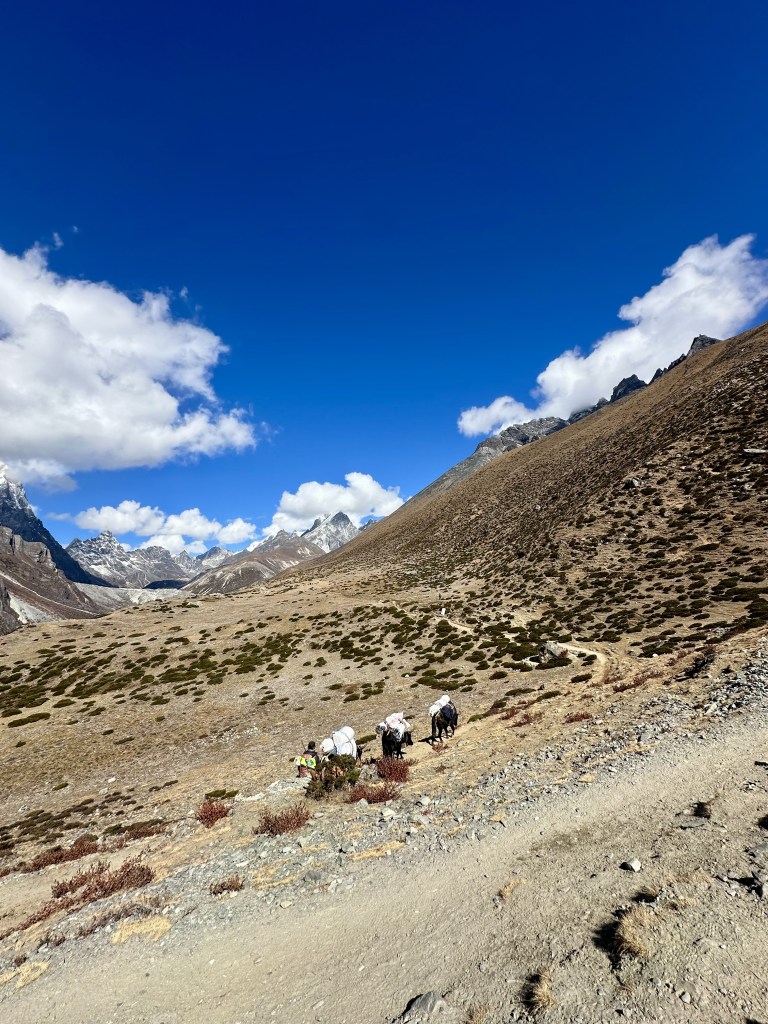
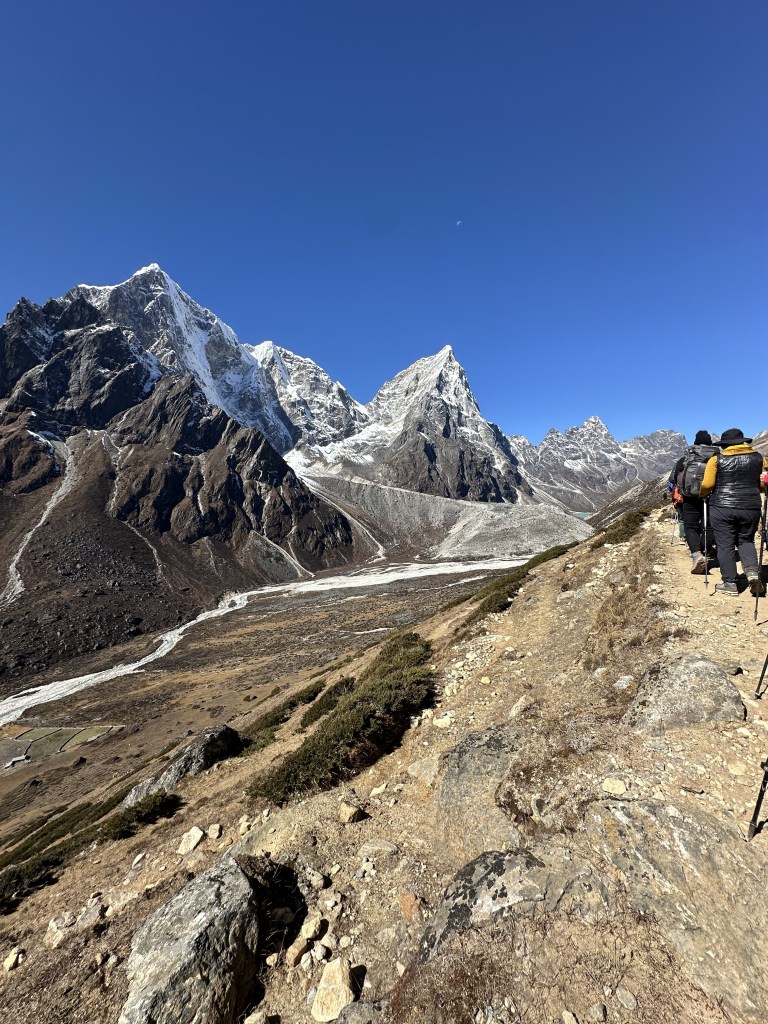
Included are some videos and photos from my trip to the base camp of Mt. Everest, known in Nepali as Sagarmatha, “Goddess of the Sky.” They include one of my 75-year-old father, who has always led me—even through the most treacherous of paths—to safety. Though these images do not do the majesty, beauty, and difficulty of the place justice.
The last one is a distant shot of the construction site I mentioned, where a Nepali woman humbled me. If you listen closely, you can hear the clanging of the rocks she carried.
 jasminramsey.com
Leave a comment